
The power grab by the Tennessee General Assembly in May, which balkanized the majority-Black Ninth Congressional District, produced an unexpected scenario in the race for State Senate District 31. While legislators were rewriting multiple statutes to allow for the mid-cycle gerrymander, they chose not to change the law regarding legislators pursuing re-election to a state legislative seat while also campaigning for election to Congress.
State Senator Brent Taylor, for whom the new ninth district was specifically drawn, is on the ballot as the Republican nominee for re-election to the District 31 State Senate seat and for election to the ninth congressional district. Both districts are Republican-leaning, and a Taylor win in both requires him to resign one of them. Even a casual observer understands that Taylor’s priority now, and throughout most of his adult life, is to be a member of Congress. His resignation from the State Senate following a win in district 31 would eventually trigger a special election costing taxpayers hundreds of thousands.
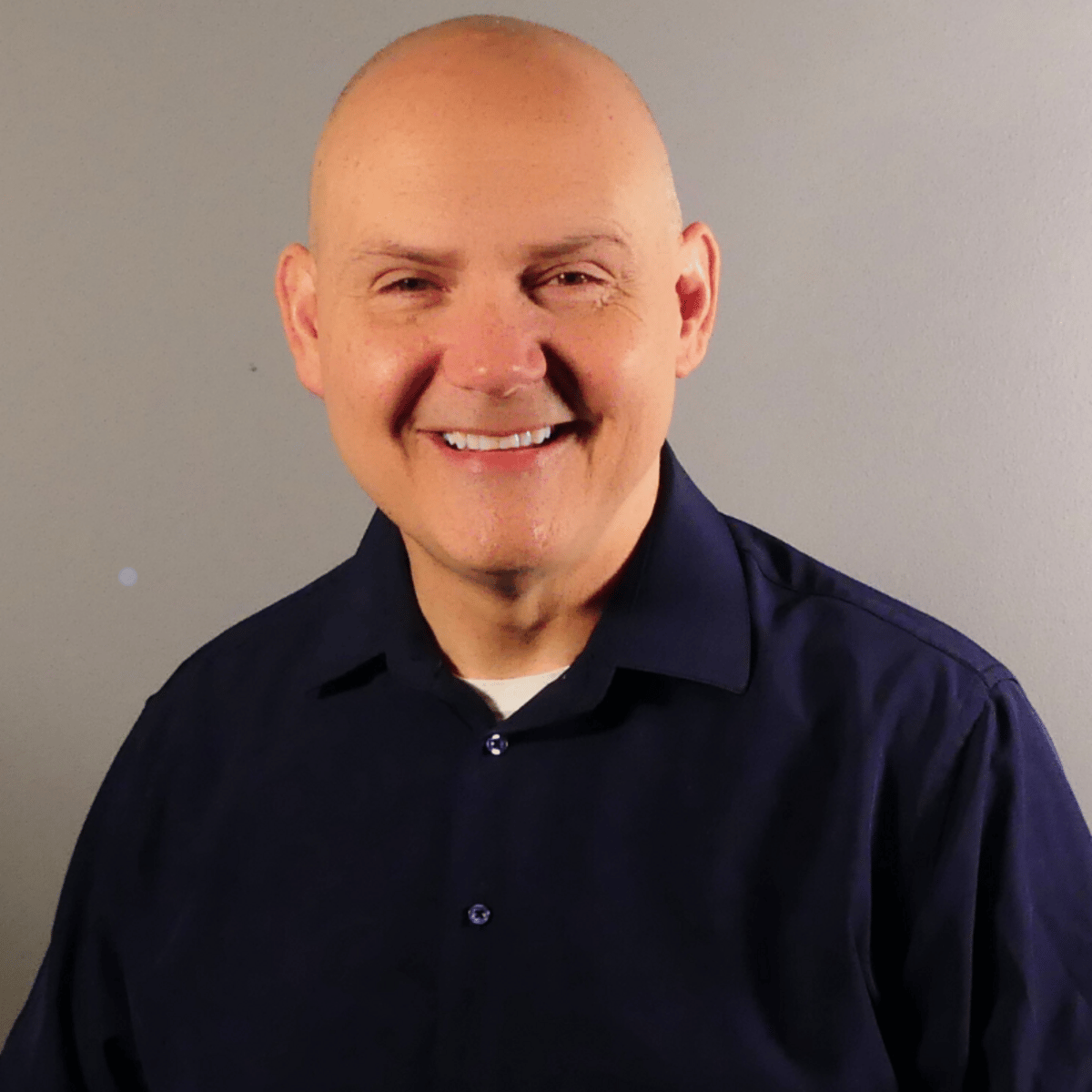
Even before the Supreme Court’s decision in Louisiana v. Callais that prompted the sudden redistricting, one man chose to challenge Taylor in the state senate district Trump won by 18 points. For pediatric hospital chaplain and ordained minister David Weatherspoon, opposing Taylor is an extension of his Christian faith that tells him to "Love the Lord your God with all your heart and with all your soul and with all your mind and with all your strength,” and “Love your neighbor as yourself” (Mark 12:30-31). Weatherspoon believes that politics needs a heavy dose of decency and elected representatives should serve with a commitment to neighborliness.
In contrast, Taylor has built his brand using the Trump plan. As if he ordered a branding guide from Amazon, Taylor spent 2022-2026 chasing clicks and headlines with bombastic claims and personal attacks mostly directed at Shelby County District Attorney Steve Mulroy. He introduced numerous “tough-on-crime” bills aimed at boosting his public safety bona fides and positioning himself for a future congressional race. However, as Trump’s light has dimmed, Taylor, who is endorsed by the President, has made efforts to distance himself from this unpopular administration, and evidence demonstrates that his legislation has had little to no effect on crime trends in the community.
Weatherspoon is a husband and father of two. His wife is a pediatric neurologist who is an expert in the treatment of epilepsy in children. He was raised on a farm just outside Bucksnort, Tennessee, in rural Hickman County. Weatherspoon’s father and brother were both law enforcement officers, which provided him with a unique perspective on the pervasive issue of crime in the Memphis community. Rather than sidestep the issue as some Democrats have, Weatherspoon proposes a three-pronged strategy that includes suppression (law enforcement and district attorneys) but also intervention and prevention, especially among the youthful offenders.
Weatherspoon graduated from Belmont University where he majored in religion and education. Following graduation, he taught middle school science before returning to college to pursue his master’s and doctorate. The experience as a middle school science teacher informs Weatherspoon’s view on education, specifically the needs of classroom teachers. He opposes the state’s failing voucher experiment that he believes has robbed public schools of adequate funding.
Times on the farm were often tough for Weatherspoon’s family, so he is sensitive to cost-of-living struggles so many are facing. Like some Republicans and Democrats, Weatherspoon believes the state can provide some relief for families by eliminating the grocery tax. He wants to go a step further and suspend the gas tax until fuel prices moderate. Weatherspoon is concerned about the enormous cost of childcare and plans to explore programs in Missouri and Michigan that partner with employers to assist working parents.
Perhaps these policies sound reasonable to some and even exciting to others, but the question is, “Can he win?” The answer is yes.
There is no doubt District 31 was drawn after the 2020 census to ensure a Republican win, but since then much has changed, putting the district in play. For the first time, Trump’s approval rating is underwater in Tennessee, and recent polling says that is also the case in more conservative areas of Shelby County. Democrats nationally and in Tennessee are more motivated than Republican voters, which should translate to solid support for Weatherspoon. Because of Weatherspoon’s background and message, he appeals to Independents and anti-Trump Republicans.
There is something else.
Taylor has barely darkened the door of District 31 other than to sleep in his own bed. His time has been largely spent campaigning in places as much 200 miles away in the 9th congressional district. Weatherspoon, a campaign “workhorse,” has personally knocked on hundreds of doors in the scorching heat of August and September.
Though Taylor has ignored the district, the Senate GOP Caucus and the state Republican Party won’t risk losing the seat. They plan to attack Weatherspoon, as indicated by a recent “push poll” making inflammatory and false statements about him to voters.
Weatherspoon insists that there is common ground among Republicans, Democrats, and Independents on a range of issues from affordability to public safety to decency, and more. Every voter he meets hears that pitch, whether in Arlington at a pancake breakfast or on a front porch in Highpoint Terrace. Whether he is right will be largely determined by whether he wins on Election Day just about thirty days from now. What is certain is that Weatherspoon’s devotion to achieving a shared understanding and measure of grace among neighbors is an act of common good. And for that, we are already better.