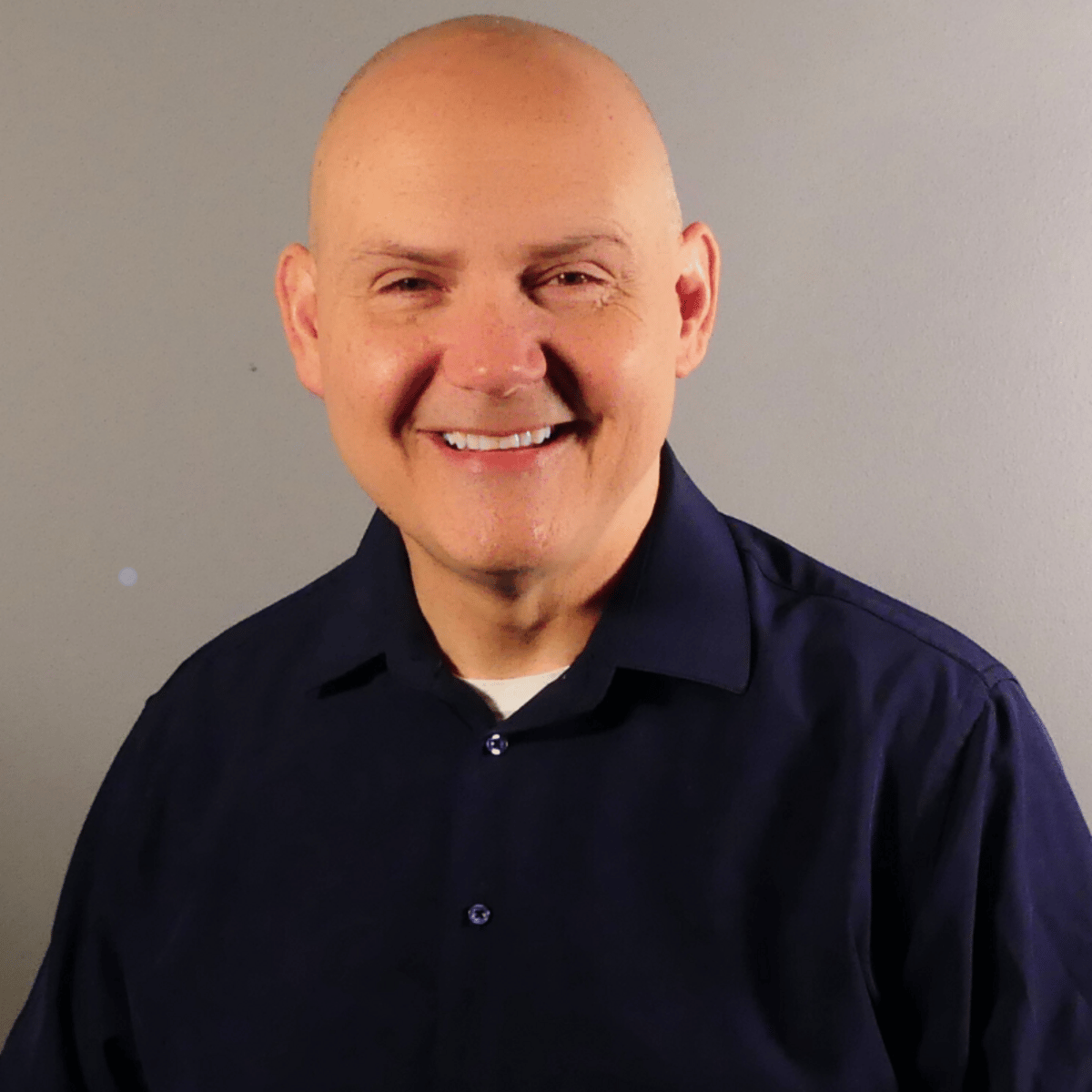

This article was first published in early August. Since that time, Hatley has raised his profile, and more has come to light about the candidate and his campaign. At the same time, voters are still in the dark on other important matters.
According to recent polling, Hatley’s spending has him weighing in somewhere between 4-10% of the vote. One could easily imagine that the lion’s share of those voters are conservative Tennesseans who prefer someone other than the Republican nominee, Marsha Blackburn. The Blackburn campaign thinks so too.
Aiming to prevent Hatley from siphoning off too many Republican votes, Blackburn’s campaign recently launched an anti-Hatley website, deadbeatdave.com. The site recounts Hatley’s federal bank fraud conviction, tax liens, a bankruptcy, and questionable business practices. This past week, a super PAC connected to Blackburn launched a television ad parroting the same information. For Hatley and his supporters, these facts are old news, and we should all be ok with it because he told us all about it in his book.
While the Blackburn ads are raising Hatley’s negatives in some corners, Hatley has also benefited from the exposure. Statewide media has covered Blackburn’s discomfort with Hatley’s candidacy and his response. Hatley has upped the ante by pledging to give a million to charity if Marsha and Democratic nominee Jerri Green agree to debate him.
Then, Jerri Green’s campaign asked independent Lauren Pinkston to drop out of the race, suggesting that Pinkston’s small percentage of the vote could aid Blackburn and prevent Green from winning. The Pinkston campaign parlayed the incident into statewide media coverage.
As the focus shifted away from the Blackburn-Hatley melee to Green-Pinkston, vandals painted, “Drop out or die,” with an anarchist symbol on the exterior of one of Hatley’s businesses. Police are investigating, and Hatley has again seized the news cycle.
What has still not been addressed is who is behind Smoky Peak Advisors, the mysterious consultant on Hatley’s disclosure with an address listed as a Mt. Juliet mail store. The facade alone signals there is something the campaign and the consultants don’t want the public to know. While Hatley is patting himself on the back for being forthcoming about his past misdeeds, who is behind his campaign and why they don’t want anyone to know is a relevant issue.
With all the red flags of the Hatley campaign to this point, I predict an October surprise is coming.
Original Article from August
Since the fall of 2025, Lauren Pinkston has labored and toiled in parades and backyards across the state to build a statewide grassroots organization and establish herself as the one independent candidate for Tennessee governor with a chance to upset the two major parties. Just a week before the August 6th primary election, however, another independent candidate, multimillionaire David Hatley, began statewide television and social media ads in an effort to appropriate the title “leading independent” to himself.
Hatley, a Johnson City businessman and mass producer of hot tubs, claims to have started 9 companies (the first at 12 years old) and built 740,000 square feet of manufacturing space in Tennessee. Hatley accomplished all of this despite a troubled childhood and meager means growing up in Carter County. It is a compelling story that is likely to appeal to the many Tennesseans who had a similar upbringing and worked hard to do better than their parents had.
For many decades now, the most viable candidates for federal or statewide offices have often been the ones who have a personal fortune to invest; such is the case for Hatley, but his approach is somewhat unique and potentially concerning. Hatley, so far, has loaned his campaign $7 million. Impressive, but only a little more than half what Congressman John Rose loaned himself in his failed bid to be the Republican gubernatorial nominee. Hatley, unlike Rose, is refusing to accept any contributions – individual, corporate, or PAC. In fact, Hatley has returned contributions in full to those who have made them.
For those concerned about the outsized influence of special interests, this may sound like good news, but the idea that an individual can simply buy the governorship of a state with over 7 million people should be concerning. Politically, contributions from individuals, of any denomination, translate to votes. People do not invest their hard-earned money into a campaign that they do not intend to support at the ballot box (I am talking about actual human beings, not corporations or PACs).
Funding from PACs and corporations, while sometimes troublesome, also serves the purpose of letting voters know what candidates care about and what they don’t. They can provide a certain kind of transparency that candidates often avoid.
For example, candidates with large contributions from Advanced Financial are likely comfortable with the practices of payday lenders or at least willing to avoid demanding too much accountability. Multiple donations from the members of a prominent developer’s family might indicate that the candidate is supportive of development or specifically the kinds of projects the donor undertakes. It is a warped way of learning what candidates think for sure, but it’s the world in which we live. Hatley’s self-funding means voters will only know what Hatley wants us to know.
In one of Hatley’s well-produced campaign ads, he gives a nod to transparency by pledging to track and make public where every tax dollar is spent. But something that is not very transparent is who is behind the scenes pulling the campaign’s strings. Hatley’s most recent disclosure reveals that he paid nearly $200,000 to a political consulting firm named Smoky Peaks Advisors (SPA). Two hundred thousand dollars is a hefty sum for a campaign consultant when the most critical phase of the campaign is just starting, but not out of the question for a statewide effort.
What raises a potential red flag is that SPA’s address is a mail and shipping store in Mount Juliet, Tennessee. The organization or person has no filing with the Secretary of State’s office. There is no website, social media, or property owned by SPA. AI Chatbots like ChatGPT, Claude, and Gemini can only find SPA references on Hatley’s disclosure.
There are 3 likely reasons for the cloak and dagger:
1. SPA is someone who previously didn’t have a consulting business but started one to provide services to the Hatley campaign. While the individual may have extensive experience, paying someone nearly $200,000 who doesn’t have a reputation in the political consulting arena would be unusual.
2. SPA’s principal is a known partisan and risks losing business if it’s determined that they didn’t support the party’s nominee.
3. The person behind SPA is widely controversial and would be a detriment to Hatley’s campaign.
Whatever the reason, voters deserve the transparency Hatley has promised if he’s governor, and that major candidates report on their financial disclosures. He should also accept individual donations, if for no other reason than showing voters his support goes beyond the boundaries of his own mind.